Public Scrutiny and the Speed of Assumption
When professionals appear in high-pressure public forums, every gesture is dissected.
Recently, images of Dr Imogen Mashazi during the Madlanga Commission proceedings circulated widely on social media. Her posture and body language became the subject of ridicule. Conclusions were drawn quickly. Words such as “disrespectful” and “dismissive” were used with confidence.
But confidence is not the same as correctness.
What if what we saw was not defiance,but regulation?
Neurodiversity in High-Pressure Environments
Professional environments, commissions of inquiry, parliamentary hearings and executive forums are often designed around a narrow model of attention: long periods of stillness, sustained eye contact, minimal movement, and rigid protocol.
Yet human cognition does not operate uniformly.
Many high-functioning professionals live with neurodivergent traits such as ADHD, sensory processing differences, anxiety-related restlessness, or executive functioning variations. Some are diagnosed. Many are not. Others deliberately choose not to disclose due to stigma.
In intense settings, individuals may:
- Adjust posture frequently
- Fidget subtly
- Shift gaze to regulate cognitive overload
- Seek micro-breaks in attention to maintain focus
These behaviours are often coping mechanisms not signs of incompetence or disrespect.
When systems are not designed for cognitive diversity, individuals are forced to self-regulate quietly.
The Governance Dimension
Neurodiversity is not merely a wellness issue. It is a governance issue.
Inclusive governance requires recognising that uniform behavioural expectations can unintentionally exclude capable professionals. Institutions committed to constitutional values, dignity, and equality must consider how environmental design affects participation.
We cannot promote transformation while mocking difference.
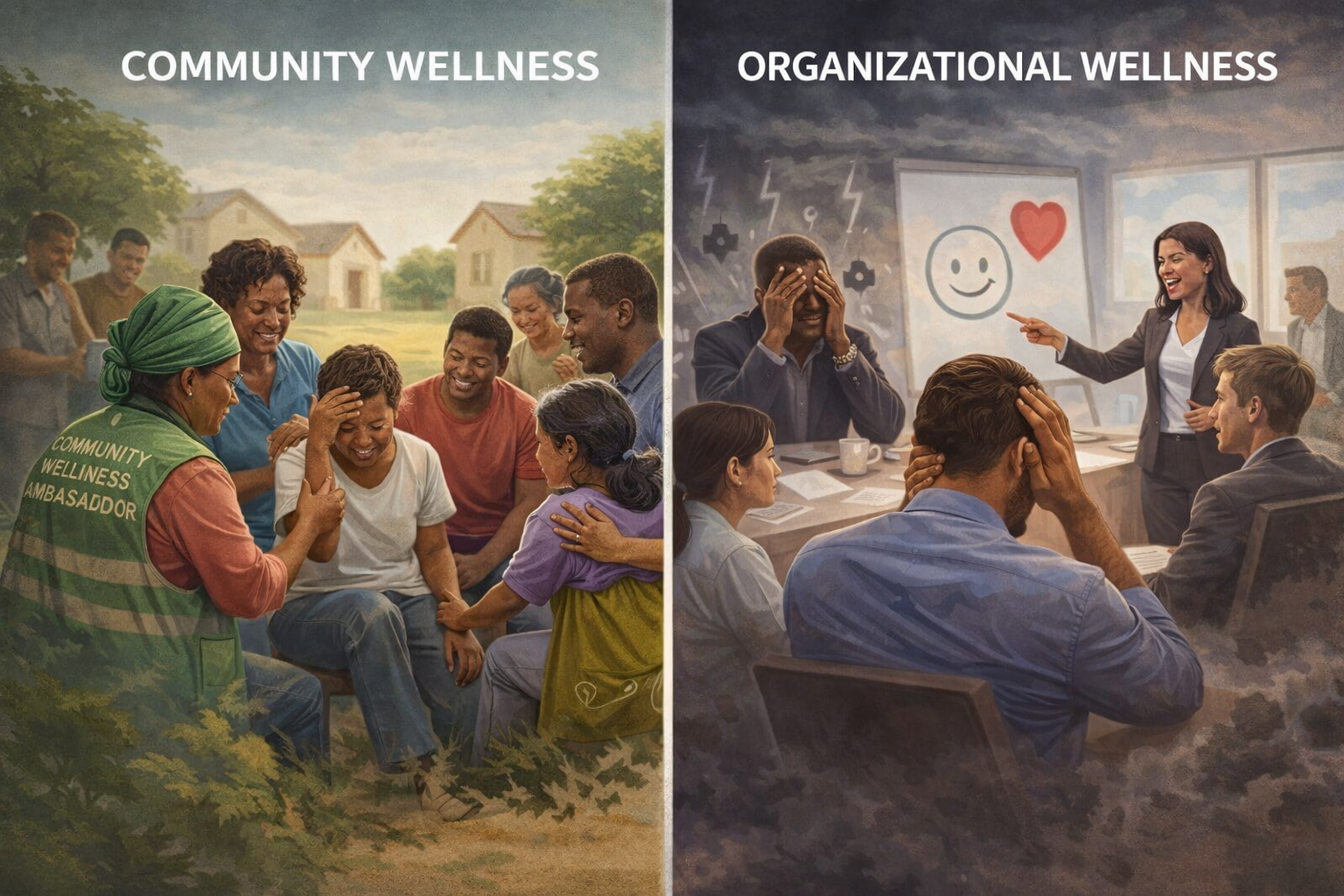
Neurodiversity, Organisational Health and Social Care
An organisation that cannot recognise neurological difference is not merely uninformed, it is unhealthy.
Organisational health is not measured only by performance indicators or compliance frameworks. It is reflected in whether individuals can participate without fear of humiliation or misinterpretation.
When leaders automatically label difference as defiance, restlessness as indiscipline, or regulation as disrespect, they create cultures of hyper-vigilance. Employees begin to mask. They suppress coping mechanisms. They overcompensate. They withdraw.
This is not efficiency. It is silent psychological taxation.
Over time, such environments produce burnout, disengagement, presenteeism, and loss of talent. Governance structures may appear intact on paper, yet internally the institution is brittle.
The same principle applies at societal level.
A country that is quick to ridicule and slow to understand is not socially healthy. Public discourse becomes punitive rather than reflective.
Citizens become spectators of humiliation instead of participants in empathy.
Social care is not only about welfare systems or services. It is about whether a society is willing to pause before condemning, to inquire before mocking, and to differentiate between wrongdoing and difference.
If we cannot distinguish between misconduct and neurological variance, we risk creating a culture that punishes vulnerability and rewards conformity.
That is not transformation. It is regression.
The Cost of Public Ridicule
When society publicly humiliates visible differences:
- Professionals become less likely to disclose neurodivergent conditions.
- Leaders mask their challenges rather than seek support.
- Institutions lose opportunities to evolve.
- Psychological safety diminishes.
The result is a culture of silent endurance instead of inclusive excellence.
A Call for Mature Citizenship
This reflection is not about diagnosing any individual.
It is about resisting reckless interpretation.
- Leadership requires restraint.
- Citizenship requires empathy.
- Governance requires structural awareness.
Before labelling behaviour as disrespect, we must ask:
What might we not understand about how this person processes stress, focus, or scrutiny?
Designing Institutions for Cognitive Diversity
If we are serious about organisational health, we must:
- Build awareness of neurodiversity in leadership development programmes
- Normalise micro-breaks in long proceedings
- Encourage psychological safety in professional environments
- Train leaders to differentiate between misconduct and self-regulation behaviours
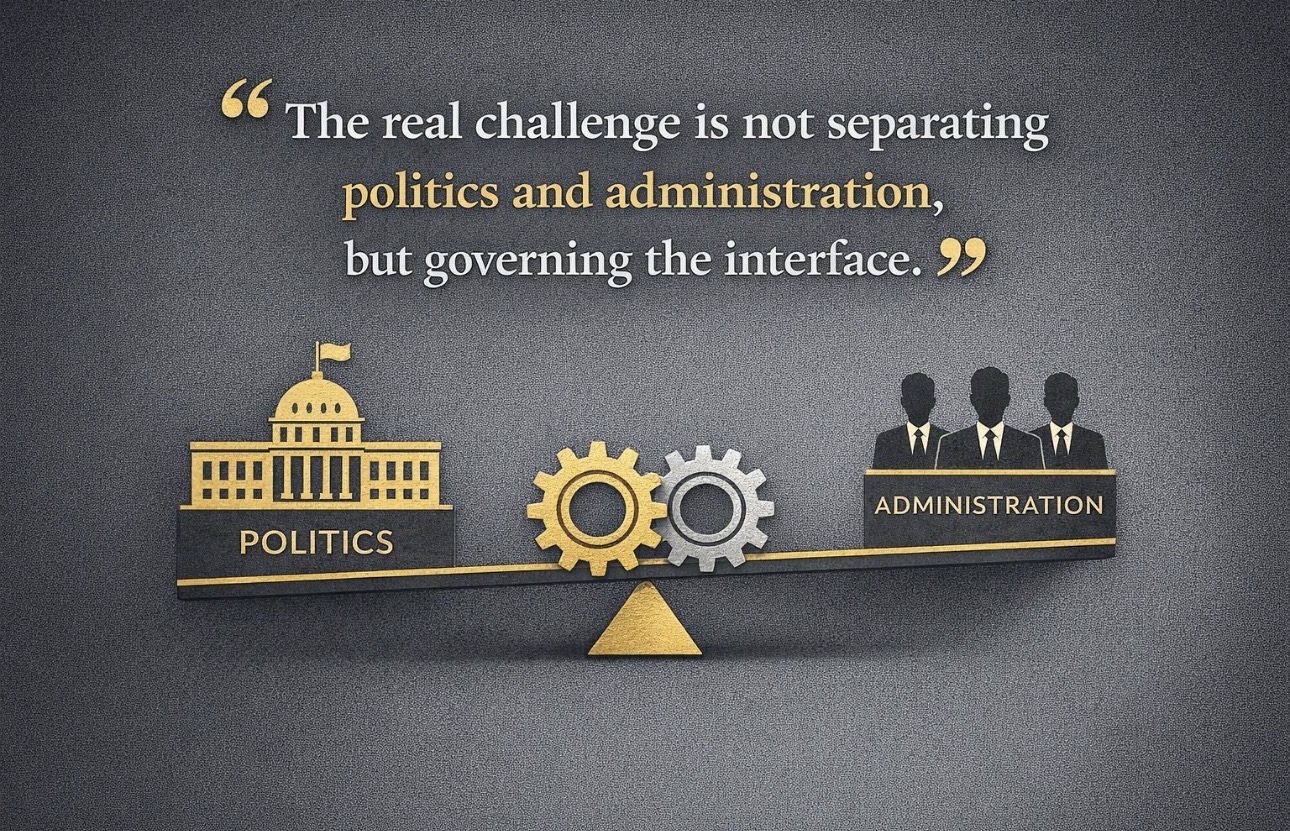
- Integrate governance and wellness frameworks rather than treating them as separate silos
Neurodiversity is not abnormality.It is part of human variability.
We are all “abnormal” in our own way. The difference lies only in which traits society has chosen to normalise.
Constitutional Maturity and Moral Regeneration
South Africa’s constitutional democracy is founded on dignity, equality, and freedom.
The Constitution of the Republic of South Africa (1996) affirms equality before the law and the protection of inherent human dignity.
The Employment Equity Act 55 of 1998 recognises reasonable accommodation as part of fairness in the workplace.
The Promotion of Equality and Prevention of Unfair Discrimination Act 4 of 2000 strengthens the obligation to prevent practices that impair dignity or reinforce exclusion.
These are not abstract principles.
They are a call to cultivate a culture that protects dignity instinctively — not selectively.
Constitutional compliance is not limited to avoiding unlawful conduct. It requires building institutions and public discourse that honour human variability.
Moral regeneration begins in small moments:
- When we choose curiosity over ridicule.
- When we pause before sharing humiliation.
- When we resist interpreting visible difference as moral failure.
A nation unwilling to see beyond what appears “wrong” will struggle to build inclusive institutions. But a nation that develops the discipline to differentiate between misconduct and neurological difference strengthens both its governance systems and its social fabric.
The true test of maturity organisational and national is this:
- Can we uphold accountability without abandoning empathy?
- Can we pursue excellence without demanding uniformity?
- Can we defend standards without humiliating difference?
If we can, we move closer to the society our Constitution envisions.
Because inclusion is not charity. It is governance.
References
- Constitution of the Republic of South Africa, 1996.
- Employment Equity Act 55 of 1998.
- Promotion of Equality and Prevention of Unfair Discrimination Act 4 of 2000.
- Singer, J. (1998). Odd People In: The Birth of Community Amongst People on the Autism Spectrum.
- Armstrong, T. (2010). Neurodiversity: Discovering the Extraordinary Gifts of Autism, ADHD, Dyslexia and Other Brain Differences.